
How to Start Bonsai (Beginner Guide Step-by-Step)
Introduction
Starting bonsai can feel overwhelming at first. You might be wondering what tools you need, which tree to choose, or how to actually begin.
The good news is this — bonsai is much simpler than most people think.
With the right guidance, you can start your first bonsai today and avoid the common mistakes that hold most beginners back.
In this step-by-step guide, we’ll walk you through everything you need to know to get started.
What is Bonsai?
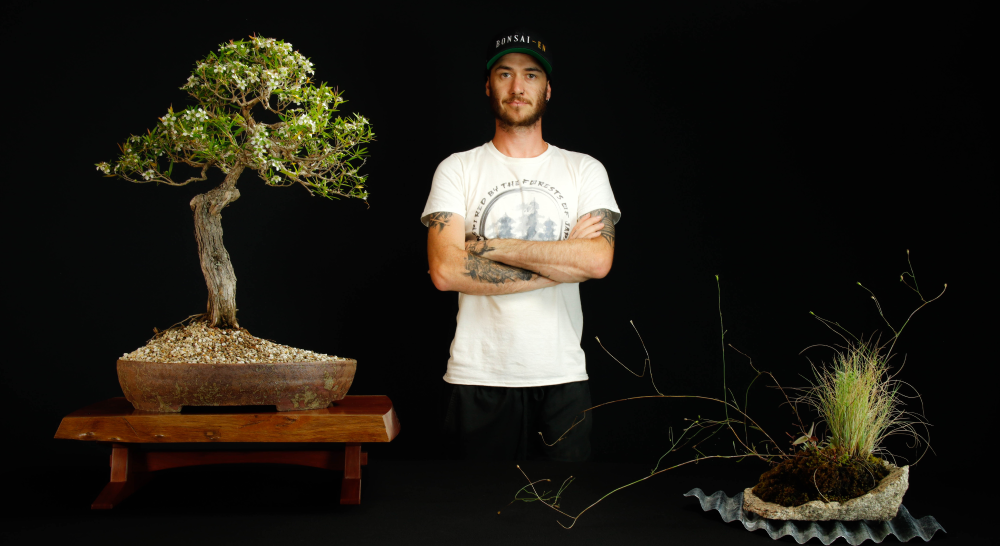
Bonsai is the art of growing and shaping trees in small containers to create the illusion of a full-sized mature tree in nature.
It’s not a specific type of tree — almost any tree can be turned into a bonsai if it has a woody trunk and woody branching. What makes it “bonsai” is the way it’s grown, pruned, and maintained, Although some species do lend themselves better to bonsai than others.
Step 1: Choose the Right Tree
Choosing the right species is one of the most important steps.
For beginners, we recommend:
- Chinese Elm – hardy, forgiving, and fast-growing
- Ficus varieties – great for warmer environments
- Juniper – ideal for a more traditional looking bonsai
If you're just starting out, avoid slow-growing or highly sensitive species until you gain experience.
Its also important to note that not all species listed work for all environments. for example the ficus species, if you live in a colder climate they wont do as well so i would recommend a juniper over a ficus in that situation.
Step 2: Get the Basic Tools
You don’t need a full professional toolkit to start bonsai.
At a minimum, you’ll need:
Having proper bonsai scissors will not only be better for your tree as they cut with a razor edge rather then crush which kills cells and promotes die back, but they are also shaped to make working on bonsai trees easier. See our full article on bonsai scissors.
Bonsai wire plays a critical roll in the shaping of your bonsai trees. it comes it 2 main materials which is aluminium and copper and comes in a range of different sizes to suit all size branching and trunks. Click here to see our full guide on bonsai wire.
- Bonsai soil
Bonsai soil isnt exactly a 1 size fits all, you need to learn what bonsai trees require such as moisture, oxygen and nutrient retention. then you need to learn your specific species requirements and what your environment provides. this will allow you to create a soil mix for your tree that will help it thrive. read our full article on bonsai soil here.
Choosing the right pot can make or break your composition both aesthetically and horticulturally. The tree needs to be able to live in the pot with the right amount of root ball so making sure the pot has enough room is critical. at the same time you want to make sure the pot is not too big or small visually and also doesn't take away from the tree. We have a great downloadable video class on how to choose the correct bonsai pot here.
Its important to use the correct mesh for your drainage holes, if its too large ( like gutter mesh for your roofs guttering ) soil can still fall through and bugs can still enter your root ball. If its too small ( like fly screen ) it can easily block the drainage holes causing improper drainage and root rot. Proper drainage mesh is in expensive and readily available.
Starting with the right tools makes the process easier and helps you avoid damaging your tree.
Step 3: Repot Your Tree
Most nursery plants are not in suitable soil for bonsai.
Repotting allows you to:
- Improve drainage
- Control root growth
- Begin shaping your tree
Basic repotting steps:
- Remove the tree from its current pot
- Gently loosen and trim the roots
- Add fresh bonsai soil
- Secure the tree into a bonsai pot
This is one of the most important steps in starting bonsai properly.
This is a very very basic overview of repotting, if you want to learn about re-potting properly consider our 2 part repotting downloadable bonsai class.
Step 4: Position Your Bonsai Correctly
Placement is critical for your tree’s health.
- Most bonsai trees need full sun outdoors
- Avoid dark rooms or low-light areas
Incorrect positioning is one of the biggest reasons beginners struggle. Trees create their energy from photosynthesis which requires direct sunlight.
Step 5: Learn How to Water Properly
Watering is where most beginners go wrong.
Instead of watering on a schedule:
- Check the soil daily
- Water when the soil starts to dry
- Fully saturate the soil when watering
Consistency is key — not overwatering or underwatering.
Here is a great online class that will cover the last 2 tips, both watering and positioning. Check out our downloadable beginners bonsai class.
Step 6: Start Basic Pruning
Pruning helps shape your bonsai and encourages branching.
As a beginner, focus on:
- Removing unwanted growth
- Keeping the shape tidy
- Encouraging new shoots
More advanced styling can come later.
Step 7: Feed Your Bonsai
Fertilising is essential for healthy growth.
- Use a balanced fertiliser
- Feed regularly during the growing season
- Adjust frequency depending on your tree species
Healthy trees grow faster, respond better to pruning, and develop more quickly.
Common Beginner Mistakes to Avoid
Here are some of the most common mistakes new bonsai growers make:
- Overwatering or underwatering
- Keeping trees indoors without enough light
- Using the wrong soil
- Not feeding regularly
- Expecting instant results
Avoiding these mistakes will dramatically improve your success.
Click here to download our 7 bonsai mistake beginners make eBook. Its free.
Want to Learn Bonsai Faster?
While this guide gives you a strong starting point, bonsai is a skill that develops over time.
If you want to speed up your progress and avoid costly mistakes, consider learning through structured lessons.
Our downloadable bonsai classes include:
- Step-by-step video lessons
- Printable guides and notes
- Techniques used by experienced growers
Once downloaded, they are yours to keep forever so you can learn at your own pace.
👉 Explore our online bonsai classes here:
https://bonsai-en.com.au/collections/online-bonsai-classes
Final Thoughts
Starting bonsai doesn’t need to be complicated.
With the right tree, basic tools, and proper care, you can begin your bonsai journey with confidence.
The key is to start simple, stay consistent, and continue learning as you go.